If spending money is the main way you cope with stressful or negative emotions, you may be putting your financial health at risk.

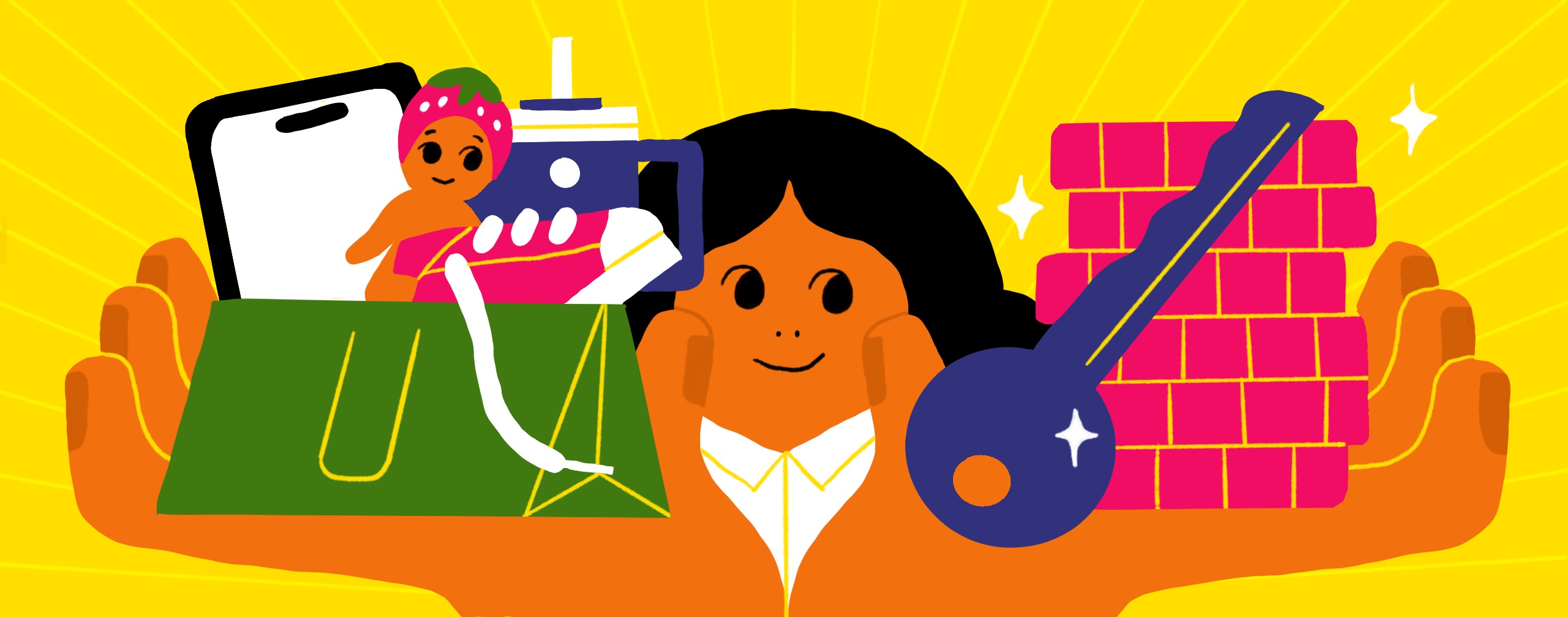
You have an exam tomorrow (hypothetically! don't freak out!), but your friends are going to see a new movie tonight that you've been dying to see. You can't study for the exam and go to the movie. If you choose to study, you miss out on the movie and spending time with friends. If you go to the movie, you miss an opportunity to study and do well on the test.
Whichever choice you make, you're also giving something up. That's opportunity cost: the value of what you give up when you make a choice.
Every decision you make has two costs: the one you pay and the one you don't see. The first is the time, money, or effort you spent. It's the soda you purchased for $3 or the three hours you spent at last night's football game. The second is the option you passed up; it's the opportunity cost, and it's easy to miss if you're not looking for it.
Opportunity cost even applies to choices that don't require much thought. Watching a video or scrolling on social media isn't just relaxing; it's an hour you handed to the algorithm instead of using it for sleep, working out, talking to a friend, or doing homework. Sometimes that cost is worth it! But sometimes…it's not. Once you can see the opportunity cost, you'll begin to see tradeoffs everywhere.
Most decisions get framed as yes-or-no questions. Is this hoodie worth $40? Is picking up this shift worth my Saturday? That framing makes the choice feel simple, but it hides what's actually happening.
Opportunity cost isn't a yes-or-no measurement. It's a comparison. The hoodie should be weighed against the concert ticket you could've bought, the gas you'll need next week, or the savings you keep meaning to start. The Saturday shift should be weighed against the specific Saturday you would've had instead: rest and recovery, time at a friend's house, etc.
Instead of asking "Is this worth it?" ask "Compared to what?" Compared to the next-best thing that money or time could do. Compared to what you've been saving for. Compared to what future you would be thankful for.
Sometimes the answer makes the choice obvious ("Wait, if I buy this movie ticket, I can't go out to dinner with my cousin tomorrow."). Sometimes it changes your mind. Either way, you're deciding with both prices in view.
Before any decision involving real money or time, ask yourself:
Most spending mistakes aren't huge, dramatic ones. They're small choices made without noticing the tradeoffs. Stacked over a month or a year, those small choices represent where your time and money actually go.
If nothing else, remember this: every yes is also a no. Consider what you are saying no to before you make a choice.